
-
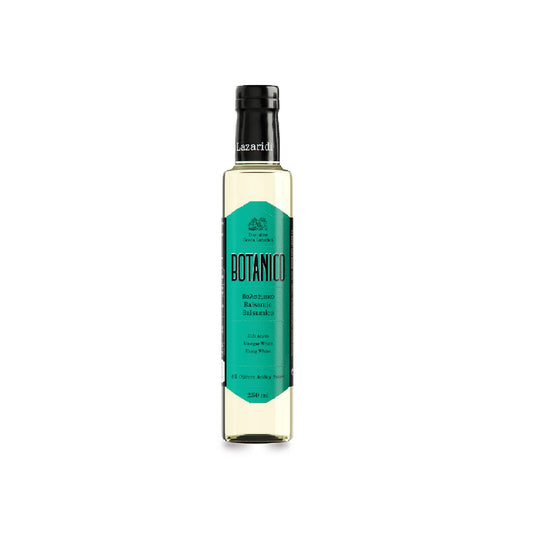
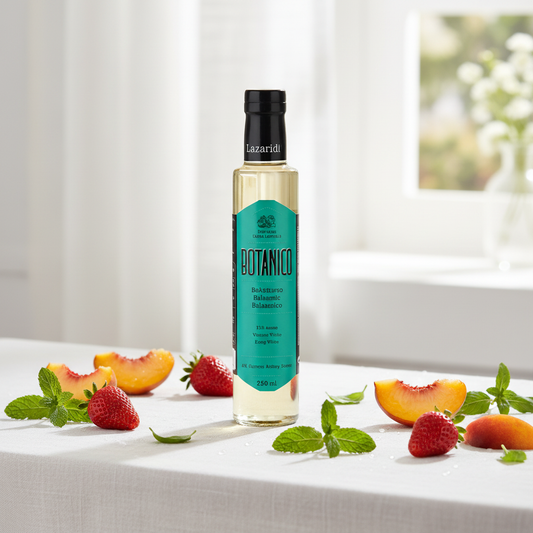
Botanico White Balsamic Vinegar — Organic Greek, Domaine Costa Lazaridi, 8.45oz
Regular price $15.00 USDRegular price -
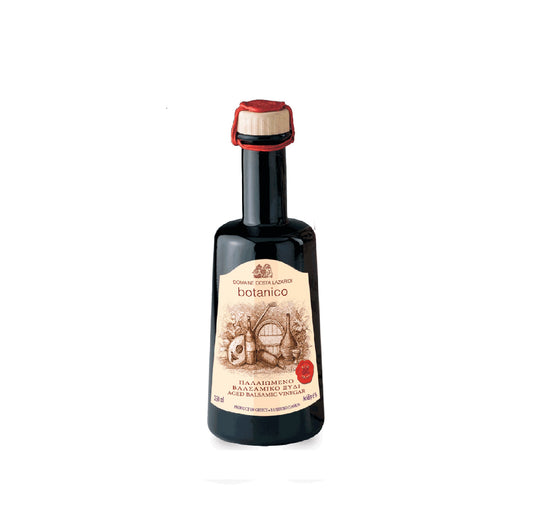
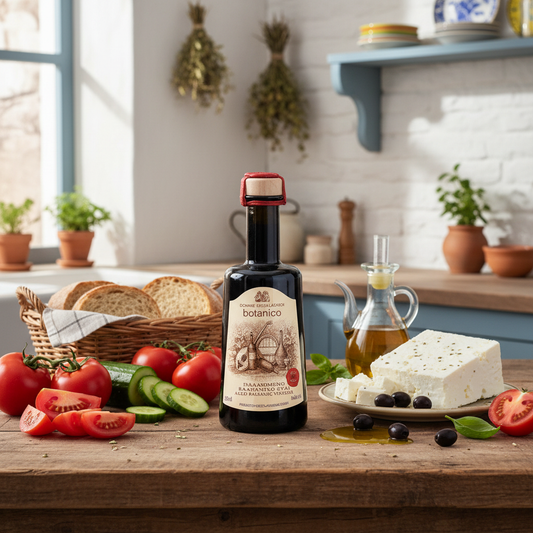
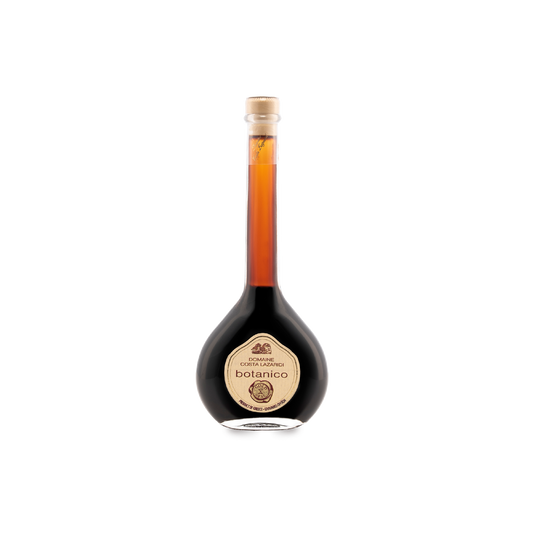
Botanico Red Seal — 6-Year Oak Barrel-Aged Organic Greek Balsamic Vinegar | Domaine Costa Lazaridi, Drama | 8.45oz
Regular price $26.00 USDRegular price -
Botanico Gold Seal — 10-Year Oak Barrel-Aged Organic Greek Balsamic Vinegar | Domaine Costa Lazaridi, Drama | 3.38oz
Regular price $38.00 USDRegular price -
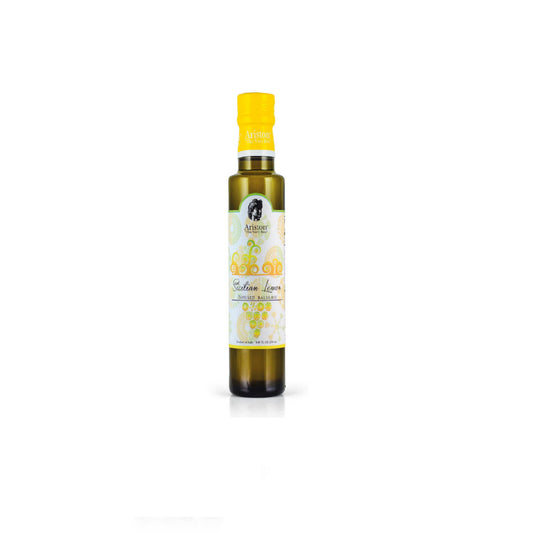
Ariston Lemon Balsamic Vinegar — Sicilian Lemon-Infused, Aged Balsamic Condiment, 8.45 fl oz
Regular price $20.00 USDRegular price -
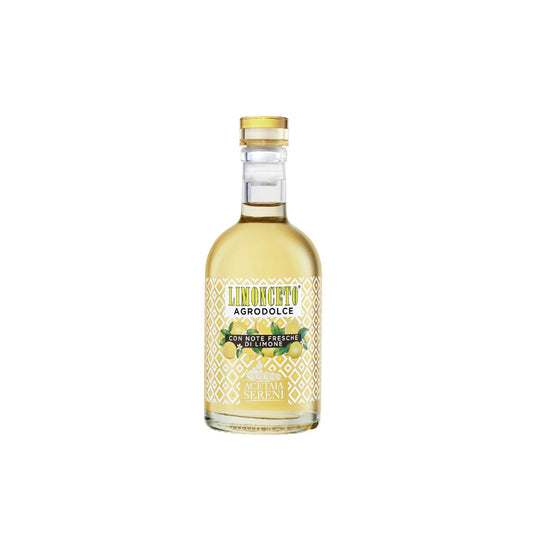
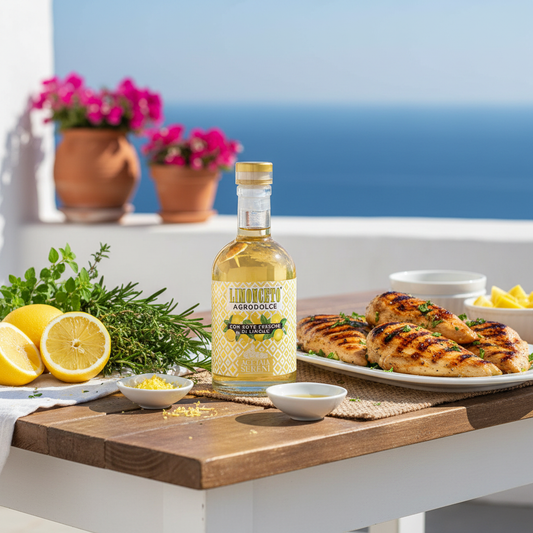
Acetaia Sereni Limonceto — Natural Lemon White Balsamic Vinegar | Light, Bright & Citrus-Forward | 8.45oz
Regular price $21.50 USDRegular price -
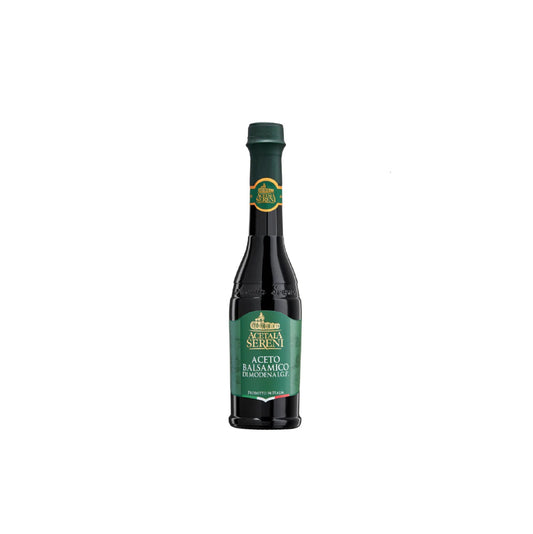
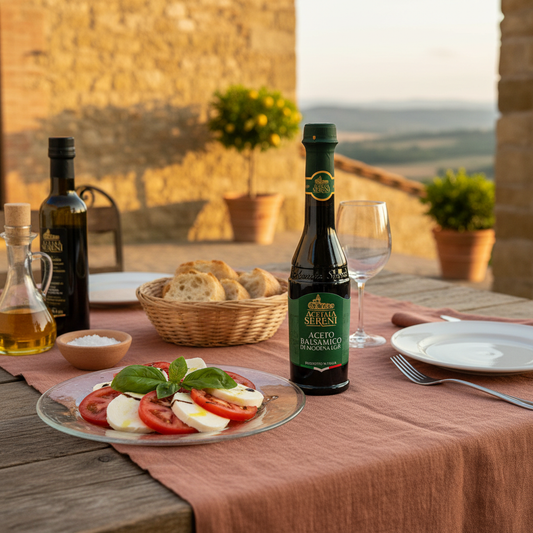
Acetaia Sereni Balsamic Vinegar of Modena — PGI Green Label | Everyday Aged Italian Balsamic | 8.45oz
Regular price $18.00 USDRegular price -
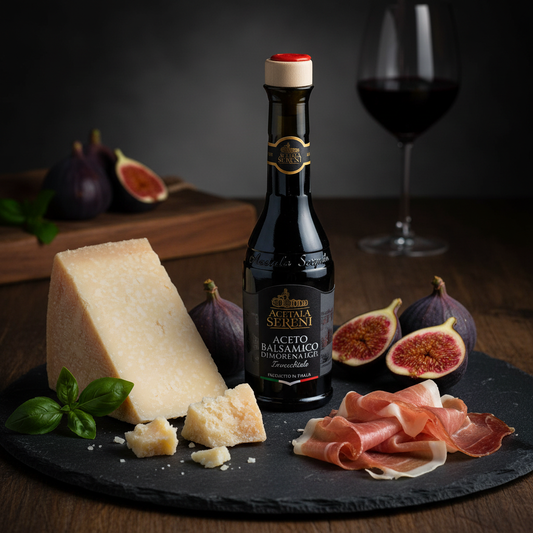
Acetaia Sereni Balsamic Vinegar of Modena — Black Label Premium | Longer-Aged, Richer & Thicker | 8.45oz
Regular price $27.00 USDRegular price -
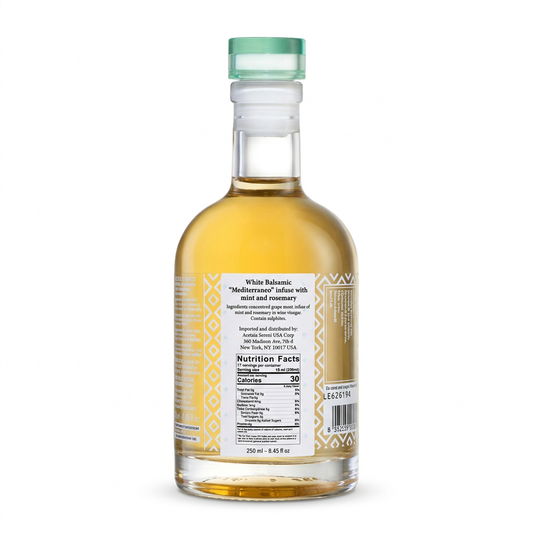
Acetaia Sereni Agrodolce Bianco Mediterraneo — White Balsamic with Mint & Rosemary | Aromatic & Herbal | 8.45oz
Regular price $17.00 USDRegular price

Frequently Asked Questions
What is Balsamic Vinegar of Modena PGI?
Balsamic Vinegar of Modena PGI (Protected Geographical Indication) is produced exclusively in the Modena and Reggio Emilia provinces of Italy from cooked grape must blended with wine vinegar. The PGI designation guarantees geographic origin and production standards verified by an independent certification body. It is distinct from Traditional Balsamic Vinegar (PDO), which is aged a minimum of 12 years and produced in much smaller quantities.
What is the difference between IGP and Tradizionale balsamic vinegar?
IGP (or PGI) Balsamic Vinegar of Modena is the widely available style — aged from 60 days to several years, with a range of sweetness and viscosity depending on the producer. Tradizionale (PDO) is the artisan original — aged a minimum of 12 years (Affinato) or 25 years (Extravecchio) in a series of progressively smaller barrels of different woods, producing a thick, complex, intensely flavored condiment used sparingly as a finishing drizzle.
What is Botanico balsamic vinegar and where is it made?
Botanico is a certified organic Greek balsamic vinegar produced in Drama, a region in northern Greece with a long tradition of viticulture and artisanal food production. Made from organic Greek grape must and aged in oak barrels using traditional methods, Botanico contains no artificial colorants, thickeners, or additives. It comes in three aging tiers — Brown Seal (4-year), Red Seal (6-year), and Gold Seal (10-year) — plus a White Balsamic expression.
What is the difference between Botanico Brown Seal, Red Seal, and Gold Seal?
The three Botanico dark balsamics differ by aging time and intensity. Brown Seal is aged 4 years in oak — approachable, with red fruit jam notes on a sweet vinegar background, ideal for everyday cooking and dressings. Red Seal is aged 6 years — deeper complexity with dark fig, raisin, caramel, and oak, the everyday luxury tier. Gold Seal is aged 10 years — the flagship, award-winning expression with a thick, syrupy texture and intense sweet-tart concentration best used as a finishing condiment, a few drops at a time.
When should I use white balsamic instead of dark balsamic?
Use Botanico White Balsamic when you want balsamic flavor and acidity without darkening your dish. It is ideal for light salad dressings, seafood, fruit salads, chicken marinades, and cheese boards where dark balsamic would visually overwhelm the ingredients. Use dark balsamic (Brown, Red, or Gold Seal) when you want deeper notes of fig, raisin, caramel, and oak — for grilled meats, aged cheeses, roasted vegetables, and desserts.
Can I cook with Botanico Gold Seal balsamic?
You can, but Gold Seal is best appreciated as a finishing condiment. Ten years of aging develops complex aromatic compounds that heat diminishes. Add it after cooking — a few drops over aged cheese, grilled lamb, fresh strawberries, or Greek yogurt. For cooking and reductions, use the Brown Seal or Red Seal instead.
How long does balsamic vinegar last?
Properly stored balsamic vinegar has an almost indefinite shelf life. Keep it tightly sealed in a cool, dark cupboard away from heat and light. Unlike olive oil, balsamic does not go rancid — it may thicken or develop sediment over time, both of which are normal. Botanico Gold Seal will keep for years after opening with no refrigeration needed.